Compare Local Contractors for Surveillance Camera Installation Services
Compare local contractors for surveillance camera installation to define scope, verify experience, and set clear expectations for a successful project.
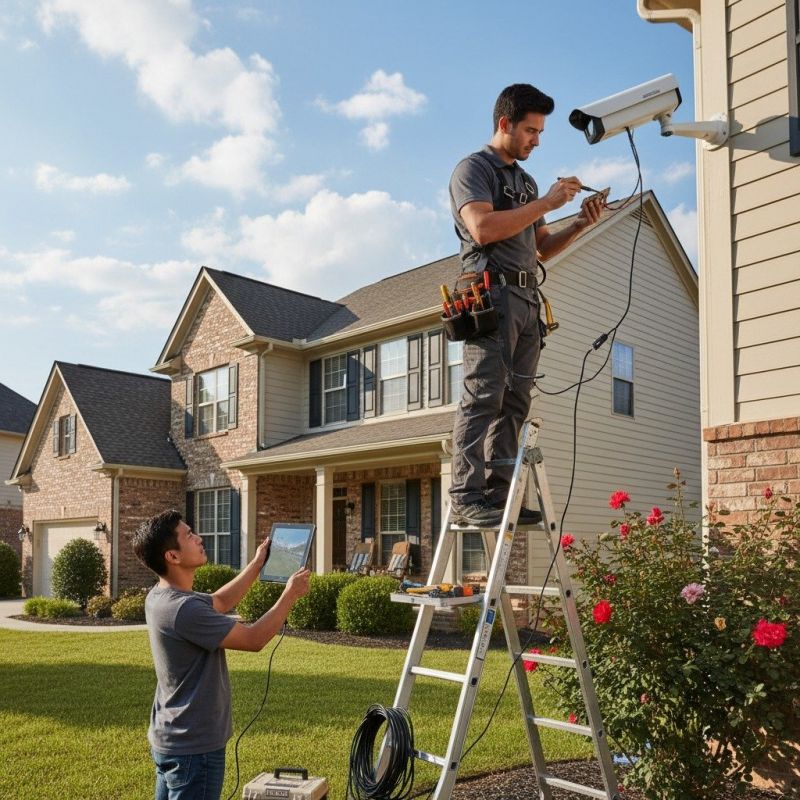
Surveillance camera installation services typically involve assessing a property’s security needs, selecting appropriate camera systems, and installing the equipment in strategic locations. Contractors often handle tasks such as mounting cameras, configuring recording devices, and ensuring that the system integrates properly with existing infrastructure. Clear communication about the scope of work can help property owners understand what is included, whether it’s installing cameras indoors, outdoors, or both, and if additional features like remote access or motion detection are part of the setup.
Defining the scope of a surveillance camera project is a crucial step in ensuring the work meets specific security objectives. Property owners should work with contractors to outline exactly which areas need coverage, the type of cameras preferred, and any supplementary components such as wiring, power supplies, or network connections. Having these details in writing helps prevent misunderstandings, ensures that all parties agree on the deliverables, and provides a clear basis for evaluating the contractor’s experience and capabilities.
When comparing local contractors for surveillance camera installation, property owners should consider their experience with similar projects and their familiarity with different camera systems. It’s beneficial to verify that contractors have a solid understanding of the technical requirements and can provide references or examples of previous work. Additionally, reviewing how each service provider defines the scope of work and what is included can help identify the most suitable candidate. Comparing these aspects allows property owners to select a contractor who can deliver a comprehensive, well-defined solution tailored to their security needs.
Compare local contractors by outlining project priorities, verifying experience, and documenting scope and expectations clearly.
- Compare Contractor Experience - review the backgrounds and project histories of local service providers to ensure they have relevant experience.
- Define Project Scope Clearly - specify the number of cameras, locations, and features needed to set clear expectations.
- Verify Credentials and References - check references and credentials to assess the reliability and quality of the contractors.
- Document Agreements in Writing - establish detailed, written agreements outlining work scope, responsibilities, and expectations.
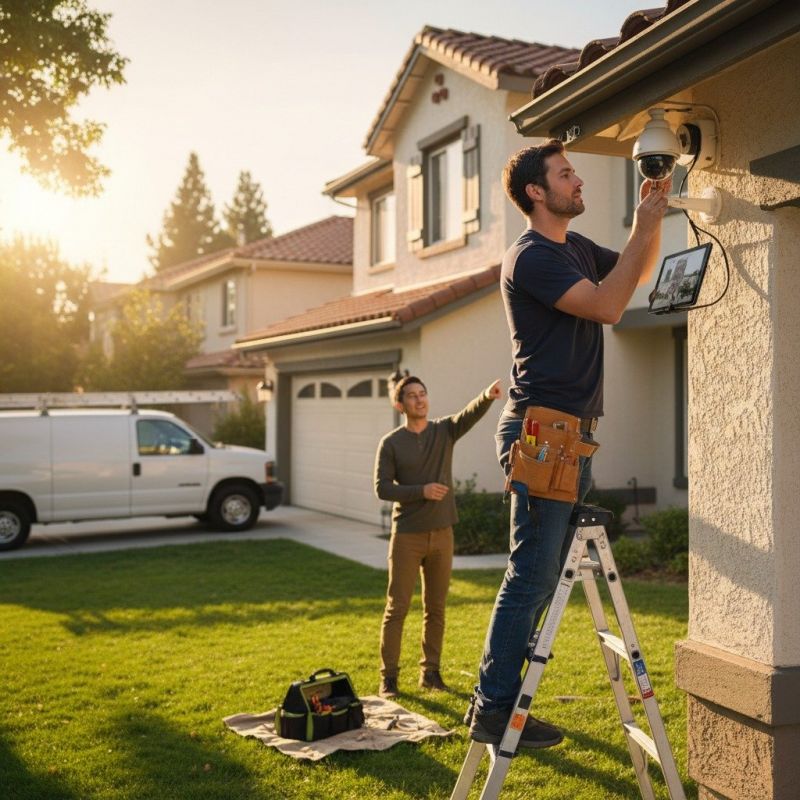
Clearly describe your surveillance camera project first to help compare local contractors, verify experience, and set expectations in writing.
- Evaluate the experience of local contractors with surveillance camera installation projects to ensure familiarity with different systems and setups. - Consider how contractors define the scope of work and whether they provide clear, written project descriptions.
- Verify that service providers have a process for assessing property layout and identifying optimal camera placement points. - Look for contractors who consider lighting, angles, and coverage areas during site evaluations.
- Check that local pros can recommend suitable camera types and features based on specific security needs. - Ensure they can explain the advantages of different camera models and configurations.
- Confirm that contractors plan for proper wiring, mounting, and integration with existing security systems if applicable. - Ask if they outline installation steps and technical requirements in writing.
- Assess whether service providers discuss data storage options, access controls, and privacy considerations upfront. - Look for clear communication about how footage will be stored and accessed.
- Ensure that all project details, including scope, responsibilities, and expectations, are documented in a comprehensive agreement before work begins.
Compare local contractors, define project scope clearly, verify experience, and set expectations in writing.
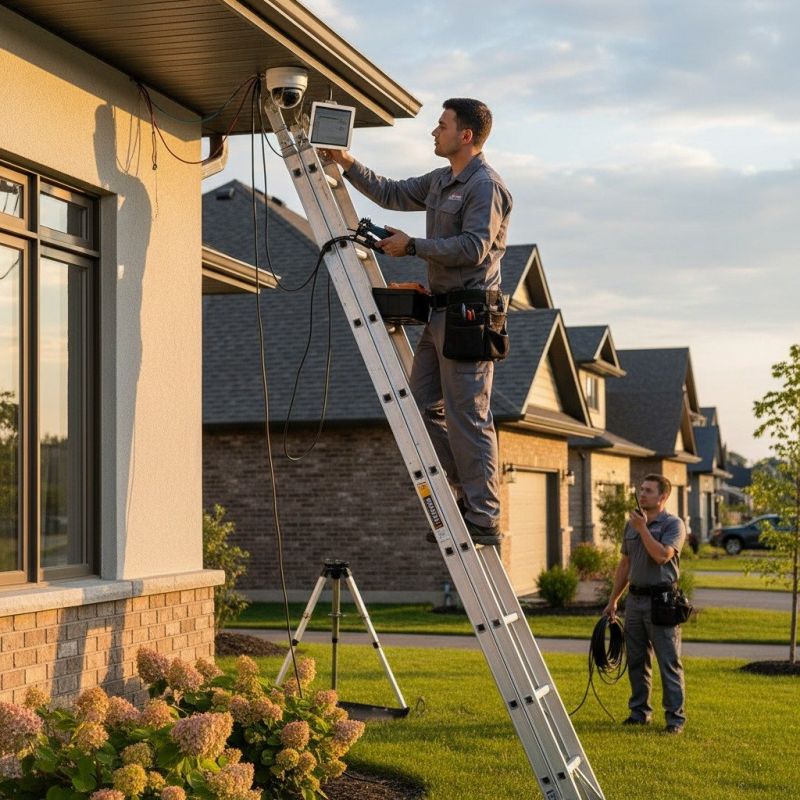
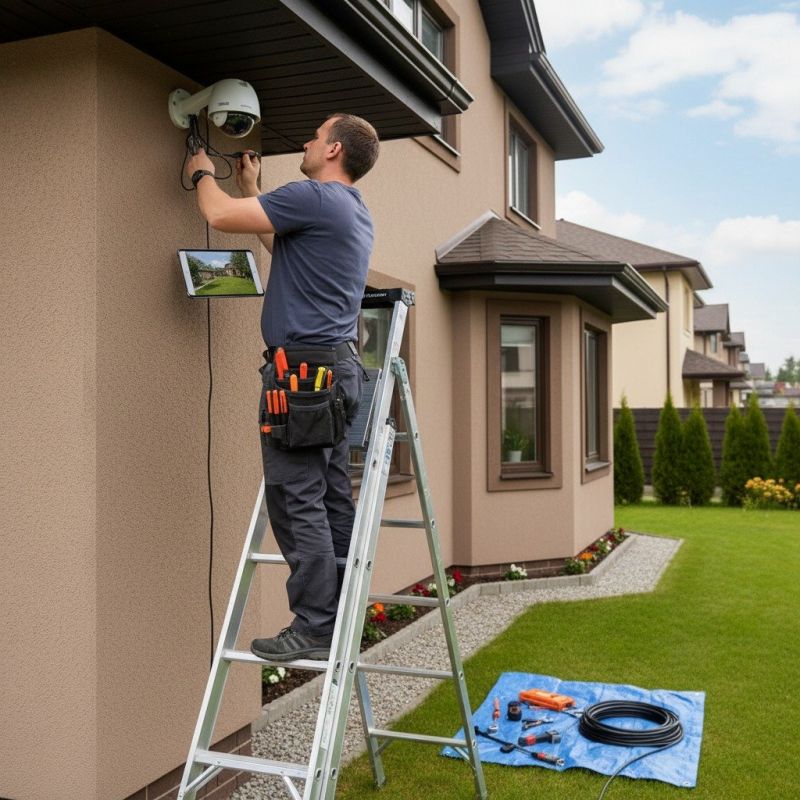
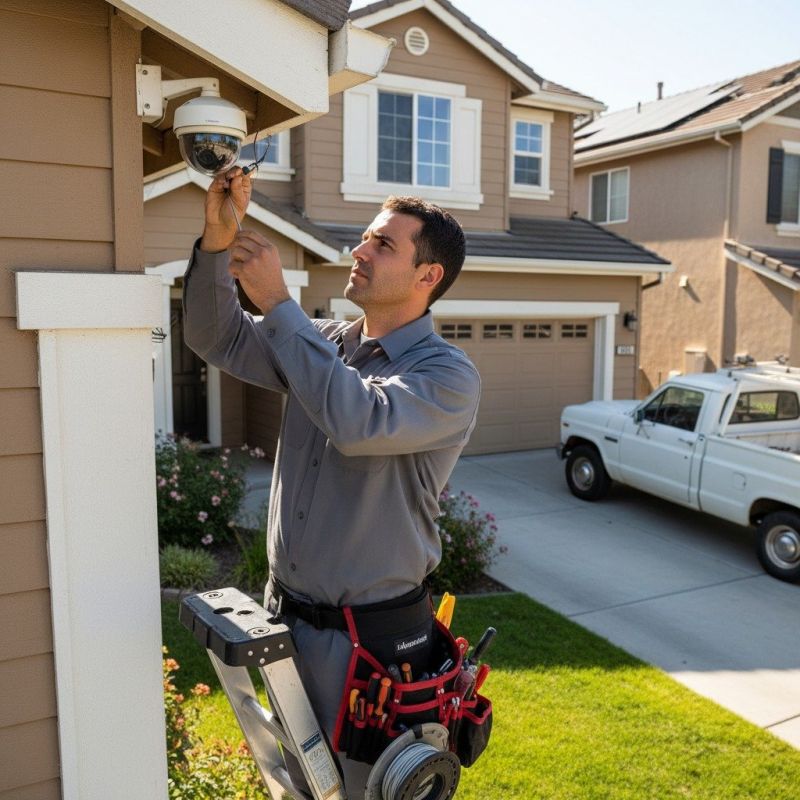
This scope builder helps compare local contractors by standardizing project details, verifying experience, and setting clear expectations.
- Define Coverage Areas - identify specific locations and zones where surveillance cameras are needed to ensure comprehensive monitoring.
- Determine Camera Types - specify the types of cameras required, such as dome, bullet, or PTZ, based on the surveillance needs.
- Establish Power and Connectivity Requirements - assess available power sources and network access to support camera operation and data transmission.
- Outline Installation Locations - select appropriate mounting points and vantage points for optimal camera placement and field of view.
- Specify System Integration Needs - clarify if the surveillance system should integrate with existing security infrastructure or other smart devices.
When comparing contractors for surveillance camera installation, it’s important to assess their experience with similar projects. Homeowners should inquire about the types of properties and environments where the service providers have previously worked, ensuring they have a track record of handling installations comparable to their own. Contractors with relevant experience are more likely to understand common challenges, optimal camera placements, and the necessary wiring or networking requirements. This background can help ensure the installation is performed efficiently and meets the specific security needs of the property.
A clear, written scope of work is essential when evaluating potential service providers. Homeowners should seek detailed descriptions of what the installation will include, such as the number of cameras, camera types, mounting locations, and any additional components like wiring or network setup. Having a comprehensive scope helps prevent misunderstandings and sets clear expectations for the project. It also provides a basis for comparing different contractors’ offerings and ensures all parties agree on what the installation will entail before work begins.
Verification of a contractor’s experience can be supported by requesting references or examples of completed projects. Homeowners should ask for contact information of previous clients or case studies that demonstrate the contractor’s ability to deliver quality work. Additionally, verifying that the service provider has a consistent history of successful installations can provide confidence in their capabilities. While formal licensing or certification may not be required, a contractor’s reputation and past performance are valuable indicators of their reliability and skill.
Evaluating options without focusing on prices involves examining the quality of service and the clarity of proposals. Homeowners should compare how well each contractor communicates their process, the level of detail in their scope, and their responsiveness to questions. It’s also helpful to consider the professionalism of their proposals and whether they address specific security concerns. By focusing on the experience, scope clarity, and verification methods, homeowners can make informed choices that align with their security goals and ensure a smooth installation process.
Ask contractors to provide written scope details to ensure clear expectations and consistent project understanding.
- Scope of Work - What specific tasks and responsibilities will the contractor include in the surveillance camera installation?
- Experience and Expertise - How can the contractor’s experience with similar surveillance systems be verified?
- Equipment and Technology - What types of cameras and security technology do the contractors typically recommend and install?
- Project Expectations - How will the scope and deliverables be documented to ensure clear understanding?
- Comparison Criteria - What factors should be used to compare different service providers’ approaches and capabilities?
What should I consider when choosing a contractor for surveillance camera installation? It's important to compare local contractors based on their experience, reputation, and the scope of services offered. Clarifying the installation process and ensuring they understand your security needs can help find a suitable provider.
How can I verify a contractor's experience with surveillance camera systems? You can review their previous work, ask for references, or check if they have specialized knowledge in installing different types of security cameras to ensure they have relevant experience.
What details should be included in a written scope of work for installation? A clear scope should specify the number and types of cameras, installation locations, wiring requirements, and any additional equipment or features to be integrated, ensuring both parties agree on the project extent.
Why is it important to compare multiple contractors before hiring? Comparing different service providers helps evaluate their expertise, professionalism, and the range of services they offer, leading to a more informed decision aligned with specific security needs.
How can I ensure a contractor understands my surveillance system expectations? Communicate your security goals clearly, ask for a detailed plan or proposal, and confirm that the contractor's understanding matches your requirements before proceeding with the work.
What questions should I ask a contractor about their installation process? Inquire about their experience, the methods they use for wiring and mounting, how they handle system testing, and whether they provide documentation or warranties for their work.
Understanding the essentials of surveillance camera installation can help in making informed decisions when selecting a service provider. Visitors learned how to clearly define the scope of work, verify the experience of local contractors, and set expectations in writing to ensure a smooth process. Comparing options through a straightforward quote form makes it easier to evaluate different local service providers and find the right fit for specific needs.
To find the best contractor for surveillance camera installation, it’s recommended to utilize the quote form to compare local service providers. This approach helps in assessing available options, understanding each contractor’s approach, and establishing clear expectations before proceeding. Taking these steps can support making a well-informed choice tailored to individual requirements.